
Homeschool Styles Compared: Find Your Fit
Before choosing curriculum, understand your homeschooling style. From Classical to Unit Studies, learn how to choose or blend approaches for your family.
One of the first questions new homeschoolers ask is "What curriculum should I use?" But before you can answer that, you need to understand something more fundamental: what approach or style works best for your family?
The homeschool world offers rich educational philosophies, each with its own strengths. Classical education with its Latin and Great Books, Charlotte Mason's nature study and living books, traditional textbook approaches, and many more. Each one has passionate followers and proven track records of success. Let me walk you through a few of the major styles so you can see what resonates with your family. Understanding these approaches first can save you time, money, and frustration as you choose curriculum.
Classical Education
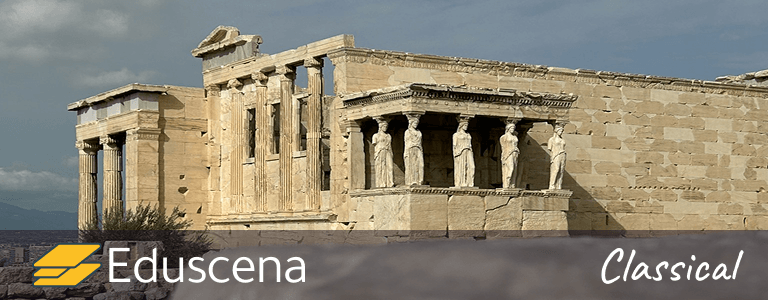
The foundation: Rooted in classical Greek and Roman models and refined over centuries, classical education follows a three-stage model called the trivium. The grammar stage (roughly K-6) focuses on building foundational knowledge through memorization and facts. The logic stage (grades 7-8) emphasizes critical thinking and analysis. The rhetoric stage (grades 9-12) develops the ability to express ideas eloquently and persuasively.
What it includes: Study of Latin or Greek, formal logic, reading Great Books of Western civilization, structured progression through subjects, emphasis on history and literature, and training in classical rhetoric and debate.
The appeal: Classical education offers a time-tested, intellectually rigorous framework. It produces strong readers, clear thinkers, and articulate communicators. If you love the idea of your kids reading Homer and Aristotle, engaging with big ideas, and developing the ability to think and argue well, classical education might speak to you.
Curriculum examples: Classical Conversations (co-op based program), The Well-Trained Mind approach, Memoria Press, or Classical Academic Press.
Learn more about how Eduscena can help you with your Classical homeschool
Charlotte Mason
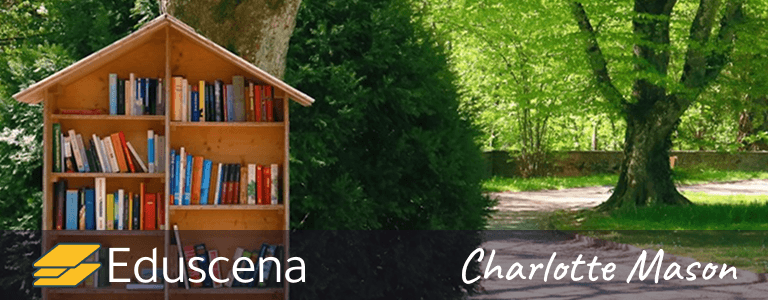
The foundation: Developed by British educator Charlotte Mason in the late 1800s, this approach views children as whole persons deserving of respect. It emphasizes "living books" (engaging, well-written books rather than dry textbooks), nature study, art and music appreciation, short focused lessons, and narration (for example, a child retelling a chapter from a history book in their own words).
What it includes: Rich literature across all subjects, frequent time outdoors observing nature, exposure to fine art and classical music, handicrafts, poetry and Shakespeare, copywork and dictation, nature journals, and short lessons (15-20 minutes for young children).
The appeal: Charlotte Mason creates a gentle, yet substantive education filled with rich literature and time in nature. It focuses on developing good habits, character, and a genuine love of learning. If the idea of curling up with wonderful books, spending afternoons outside, and creating a peaceful learning environment appeals to you, Charlotte Mason might be your style.
Curriculum examples: Simply Charlotte Mason, A Gentle Feast, or families often piece together their own using Charlotte Mason's principles with living books from the library.
Learn more about how Eduscena can help you with your Charlotte Mason homeschool
Unit Studies

The foundation: This integrated approach teaches multiple subjects around a central theme. Instead of studying math, science, history, and language arts separately, everything connects to one topic. A unit on the American Revolution might include historical reading, maps and geography, period literature, timeline creation, and relevant science topics.
What it includes: Thematic learning where subjects integrate naturally, often hands-on projects and activities, works well for teaching multiple ages together, and literature and activities all related to the central theme.
The appeal: Unit studies create learning experiences where everything connects meaningfully. If you like the idea of diving deep into topics everyone's excited about, or if you have multiple kids and want to teach them together, unit studies offer a practical and engaging approach.
Curriculum examples: My Father's World, Five in a Row, or families create their own units around topics of interest using library resources and project ideas.
Learn more about how Eduscena can help you with your Unit Study homeschool
Traditional

The foundation: This approach uses a clearly structured, curriculum-guided format, with textbooks and workbooks, planned lessons, and regular assessments. Many families appreciate complete boxed curricula that outline what to teach at each grade level, while others mix textbooks from different companies based on their children’s needs and interests, combining structure with flexibility.
What it includes: Grade-level textbooks and workbooks for each subject, structured daily schedule, formal assessments and grades, clear scope and sequence, and comprehensive curriculum packages.
The appeal: Traditional homeschooling provides structure, clear expectations, and a familiar format. If you need to know exactly what to do each day, want confidence that you're covering all the bases, or have kids who work well independently with workbooks, this straightforward approach might be right for you.
Curriculum examples: Abeka, Bob Jones University Press, Alpha Omega (Monarch or Lifepacs), Saxon Math, Singapore Math.
Learn more about how Eduscena can help you with your Traditional homeschool
Eclectic

The foundation: Eclectic homeschooling draws from multiple educational philosophies, mixing and matching approaches based on what works for each family, each child, and even each subject. Rather than following one method exclusively, eclectic homeschoolers create their own unique blend.
What it includes: Different approaches for different subjects (for example, perhaps traditional math, Charlotte Mason literature, and unit studies for science), varying methods for different children based on their learning styles, borrowing specific practices from various philosophies, and flexibility to adjust and adapt as needs change.
The appeal: Eclectic homeschooling offers maximum flexibility and customization. If you find yourself drawn to elements from several different approaches, or if you have children with very different learning needs, the eclectic approach allows you to pick what works best for your unique situation. Many homeschoolers naturally gravitate toward this style over time as they discover what serves their family. In practice, this is the most common long-term homeschooling approach.
Learn more about how Eduscena can help you with your Eclectic homeschool
The Freedom to Choose
One of homeschooling's greatest gifts is the freedom to create an education that truly fits your family. Your homeschool doesn't have to look like anyone else's or fit neatly into a category. What matters is that it helps your children learn and grow while remaining sustainable and manageable for you.
As you explore these different styles, pay attention to what resonates. You might be drawn to one approach completely, or blend elements from several. Both paths can lead to successful homeschooling.
You know your children, your values, and your circumstances better than anyone else. That knowledge will guide you to the approach that's right for your family. That's the beauty of homeschooling: the freedom to educate your children in exactly the way that works best for them. The goal isn’t to follow an approach perfectly, but to create an education that serves both your children and you.
Ready to try Eduscena?
Start a free trial and see how easy homeschool planning can be.